
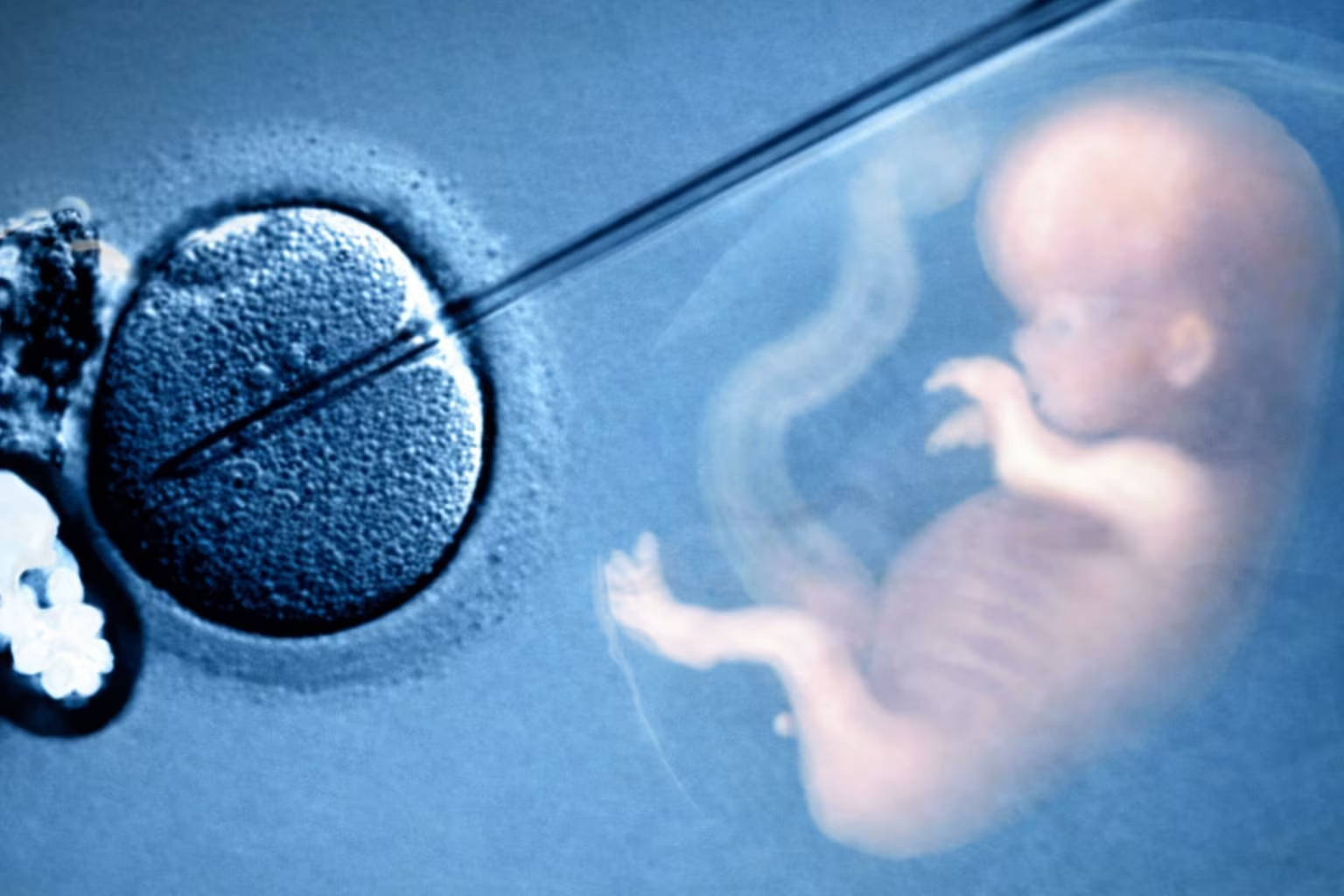
Starting IVF treatment brings a lot of hope, but sometimes the embryo does not attach to the uterus as expected. This is called embryo implantation failure, and it can feel confusing and disappointing. The truth is, implantation is a sensitive process. Many factors need to work together at the right time. Even when everything looks good, results can still vary. In fact, according to a review published in Human Reproduction Update, average implantation rates in IVF cycles typically remain below 40%, which shows why results cannot be guaranteed even with good treatment.
That’s why doctors often talk about implantation success rates instead of promises. Understanding how implantation works helps you feel more prepared and less anxious. In this guide, we will look at the common reasons behind implantation problems and how fertility specialists try to improve the chances step by step, using careful testing, planning, and personalized treatment.
Understanding Embryo Implantation Failure and Implantation Success Rates
Embryo implantation is the stage where the embryo attaches to the uterus after transfer. This step sounds simple, but many small factors control whether it works or not. Embryo implantation failure does not always mean something is seriously wrong. Sometimes the body just needs better timing or more support. Understanding how implantation works helps you see why doctors focus on careful planning and personalized treatment instead of quick conclusions.
What Embryo Implantation Failure Means in IVF Treatment
In IVF treatment, doctors place an embryo inside the uterus and wait for it to attach to the lining. When this attachment does not happen, it is called embryo implantation failure. This is one of the most common reasons an IVF cycle does not lead to pregnancy. IVF implantation failure can happen even when embryos look healthy in the lab.
Here’s what usually happens during this stage:
- The embryo must reach the right stage of development.
- The uterine lining must be ready at the same time.
- Hormones must support implantation properly.
- Even small timing differences can affect results.
Many couples think failure means treatment was wrong, but that is not always true. Implantation depends on several biological steps working together, and sometimes one small mismatch can stop the process.
Why Implantation Success Rates Differ Between Patients
You may notice that implantation success rates vary from one person to another. This happens because every body responds differently to treatment. Age, health conditions, hormone balance, and embryo quality all play a role. Some people achieve success quickly, while others need more adjustments.
Common implantation failure causes include:
- Differences in uterine lining thickness
- Hormone level changes
- Embryo quality or genetic factors
- Lifestyle factors like stress or poor sleep
Doctors often explain that IVF is not the same for everyone. What works well for one person may not work for another. That is why treatment plans are changed based on individual response instead of using one fixed method.
When Embryo Implantation Failure Becomes a Medical Concern
One failed cycle is usually not a major concern. However, when the embryo not implanting happens repeatedly, doctors start looking deeper for medical reasons. Repeated embryo implantation failure may need further tests to understand what is affecting the process.
Specialists may investigate when:
- Two or more transfers fail without clear reason
- Good-quality embryos do not implant
- Hormone support looks normal but results stay negative
- Uterine or immune factors are suspected
At this stage, doctors often review the complete IVF plan and suggest additional evaluations. The goal is not just to repeat treatment but to identify hidden problems and improve the chances for future cycles.
Common Implantation Failure Causes Behind Embryo Not Implanting
Implantation is a delicate stage in IVF, and small problems can affect the result. Many implantation failure causes are connected to the embryo, the uterus, or even daily lifestyle habits. Often, more than one factor works together. Understanding these reasons helps you and your doctor make better decisions for the next cycle. The goal is not to feel worried but to clearly see what may be improved for better outcomes.
Embryo Quality and Genetic Factors in IVF Implantation Failure
One major reason behind IVF implantation failure is embryo quality. Even if an embryo looks good under a microscope, it may still have genetic issues that prevent it from attaching properly. This can lead to embryo implantation failure without any clear signs during the process.
Common embryo-related factors include:
- Chromosomal problems that stop normal development
- Poor embryo growth after transfer
- Weak cell structure affecting implantation
- Embryos that cannot communicate well with the uterine lining
Doctors often suggest genetic testing in some cases to identify stronger embryos. This helps improve planning for future transfers and gives a clearer idea of what is happening inside the body.
Uterine Lining and Hormonal Implantation Failure Causes
The uterine lining plays a big role in implantation. Even a healthy embryo needs the right environment to attach. Many implantation failure causes come from the lining being too thin, inflamed, or not ready at the correct time. Hormones also guide the lining, so imbalance can reduce implantation success rates.
Key factors doctors check include:
- Endometrial thickness and blood flow
- Timing between embryo transfer and ovulation
- Progesterone and estrogen levels
- Hidden infections or inflammation
When doctors adjust hormones or improve lining preparation, implantation outcomes often improve. This is why monitoring before transfer is so important during IVF treatment.
Lifestyle and Age Factors Affecting Implantation Chances
Daily habits and age can quietly influence IVF results. As age increases, egg quality may decline, which affects implantation. Lifestyle choices also impact how the body responds to treatment. When embryo not implanting happens, doctors sometimes review these basic factors first.
Simple areas that matter include:
- Poor sleep or high stress levels
- Smoking or alcohol use
- Unbalanced diet and low physical activity
- Excess weight or very low weight
Understanding how to improve implantation chances often starts with small, practical changes. Healthy habits do not guarantee success, but they create a better environment for the embryo and help the body respond more positively to treatment.
Diagnosis and Tests for Embryo Implantation Failure Causes
When embryo implantation failure happens more than once, doctors usually suggest further testing instead of repeating the same plan. These tests help identify hidden issues that may affect implantation. The goal is to understand what the body needs and make better decisions for future cycles. Careful diagnosis often helps reduce uncertainty and gives clearer direction for treatment.
Fertility Tests Used After IVF Implantation Failure
After IVF implantation failure, specialists often review past reports and recommend extra tests to look for implantation failure causes. These tests help check whether the problem comes from hormones, the uterus, or embryo-related factors. Each test gives small but useful information.
Common fertility tests include:
- Blood tests to check hormone levels
- Genetic testing of embryos or parents
- Ultrasound scans to examine the uterus
- Thyroid and immune system evaluations
Doctors use these results together instead of depending on one report. This step helps create a more personalized treatment plan and improves the chances of choosing the right approach for the next embryo transfer.
Endometrial Evaluation and Implantation Success Rates Monitoring
The endometrium, or uterine lining, is carefully examined because it plays a big role in implantation success rates. If the lining is not ready at the correct time, the embryo may not attach. Monitoring helps doctors understand timing and lining quality, especially after embryo implantation failure.
Specialists often look at:
- Thickness and pattern of the uterine lining
- Blood flow inside the uterus
- Timing of hormone support
- Signs of inflammation or infection
Regular monitoring allows doctors to adjust medications and transfer timing. Small changes in preparation can make a noticeable difference and support better implantation outcomes in future cycles.
Identifying Recurrent Embryo Not Implanting Cases
When the embryo not implanting happens repeatedly, doctors may call it recurrent implantation failure. At this stage, deeper investigation is needed. The aim is to find patterns that may have been missed earlier and avoid repeating the same results.
Doctors usually focus on:
- Reviewing previous IVF cycle details
- Checking embryo quality history
- Looking for uterine abnormalities
- Assessing immune or clotting factors
This detailed review helps specialists understand whether the problem is consistent or random. Once the main cause is identified, treatment can be adjusted more accurately, giving better chances in upcoming IVF attempts.
How Specialists Improve Implantation Chances After Embryo Implantation Failure
After a failed cycle, doctors do not simply repeat the same process. They carefully review results and look for ways on how to improve implantation chances in the next attempt. Treatment is often adjusted based on test results, body response, and embryo quality. Small changes in planning and timing can sometimes make a big difference in IVF outcomes.
Personalized IVF Protocols to Reduce IVF Implantation Failure
Every patient responds differently to IVF medicines and procedures. Because of this, specialists create personalized plans to reduce IVF implantation failure. These plans are based on previous cycle history, hormone response, and embryo development. Personalized care helps lower the risk of embryo implantation failure by matching treatment to your body’s needs.
Doctors may adjust:
- Hormone doses and timing
- Type of embryo transfer cycle
- Number of embryos transferred
- Medication support after transfer
This approach helps avoid repeating the same mistakes and gives the embryo a better environment to attach successfully.
Endometrial Preparation to Improve Implantation Success Rates
The uterine lining must be ready before embryo transfer. If the lining is not prepared well, implantation may fail even with a healthy embryo. Specialists focus on endometrial care to improve implantation success rates and guide couples on how to improve implantation chances through better timing and support.
Common steps include:
- Monitoring lining thickness through scans
- Adjusting estrogen and progesterone levels
- Scheduling transfer at the right moment
- Treating inflammation if needed
Careful preparation improves the chances that the embryo and uterus are ready at the same time, which is important for successful implantation.
Advanced Treatments for Implantation Failure Causes
When standard IVF methods do not work, doctors may suggest advanced options to address implantation failure causes. These treatments are chosen based on individual test results rather than used for everyone. The aim is to support implantation in a more targeted way.
Advanced treatments may include:
- Genetic testing to select healthier embryos
- Immune therapy when needed
- Assisted hatching to help embryo attachment
- Specialized hormone or blood flow support
These methods are used carefully and only when required. The main goal is to identify what is blocking implantation and improve the chances for a healthier and more successful IVF cycle.
FAQs
1. What is embryo implantation failure?
Embryo implantation failure happens when the embryo does not attach to the uterine lining after IVF transfer. This means pregnancy does not start even though the embryo was placed correctly.
2. What are the most common causes of implantation failure?
Common causes include poor embryo quality, uterine lining problems, hormonal imbalance, age-related factors, and lifestyle influences. Sometimes multiple small factors work together.
3. How many failed IVF cycles are considered normal?
One failed cycle is common and usually not a major concern. Doctors often investigate more deeply if implantation failure happens repeatedly over two or more good-quality embryo transfers.
4. Can lifestyle changes improve implantation chances?
Yes, healthy habits like proper sleep, stress control, balanced nutrition, and avoiding smoking or alcohol can support the body and may help improve implantation chances.
5. When should I see a fertility specialist after implantation failure?
You should consult a specialist if the embryo is not implanting repeatedly or if you want a detailed evaluation before trying another IVF cycle.
Conclusion
Embryo implantation failure can feel discouraging, but it does not mean the journey is over. In many cases, the reasons become clear after proper testing and careful treatment planning. Understanding implantation failure causes, improving lifestyle habits, and following personalized medical advice can slowly increase implantation success rates. The important thing is to move forward step by step instead of losing hope after one failed attempt. With the right guidance, many couples achieve success in later cycles. Staying informed, patient, and emotionally supported makes a real difference throughout the IVF process.
“Each failed cycle teaches us something new, and with the right adjustments, we move closer to success.” – Dr Pavan Bendale