
More than 60 percent of women will experience at least one urinary tract infection in their lifetime. Of those, 20 to 30 percent will have a recurrence within three to four months of the first episode. In India, women account for over 60 percent of all UTI cases, with working women in the 18 to 50 age group being the most affected. In Wakad, Hinjewadi, and across PCMC, where thousands of women work long IT hours with limited restroom access and irregular hydration, UTIs are not just common. They are becoming a cycle that antibiotics alone are not breaking.
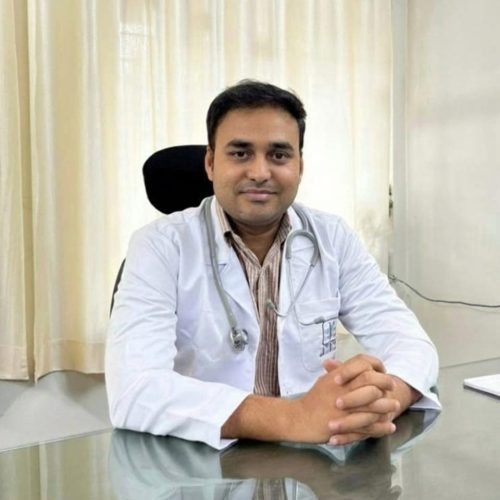
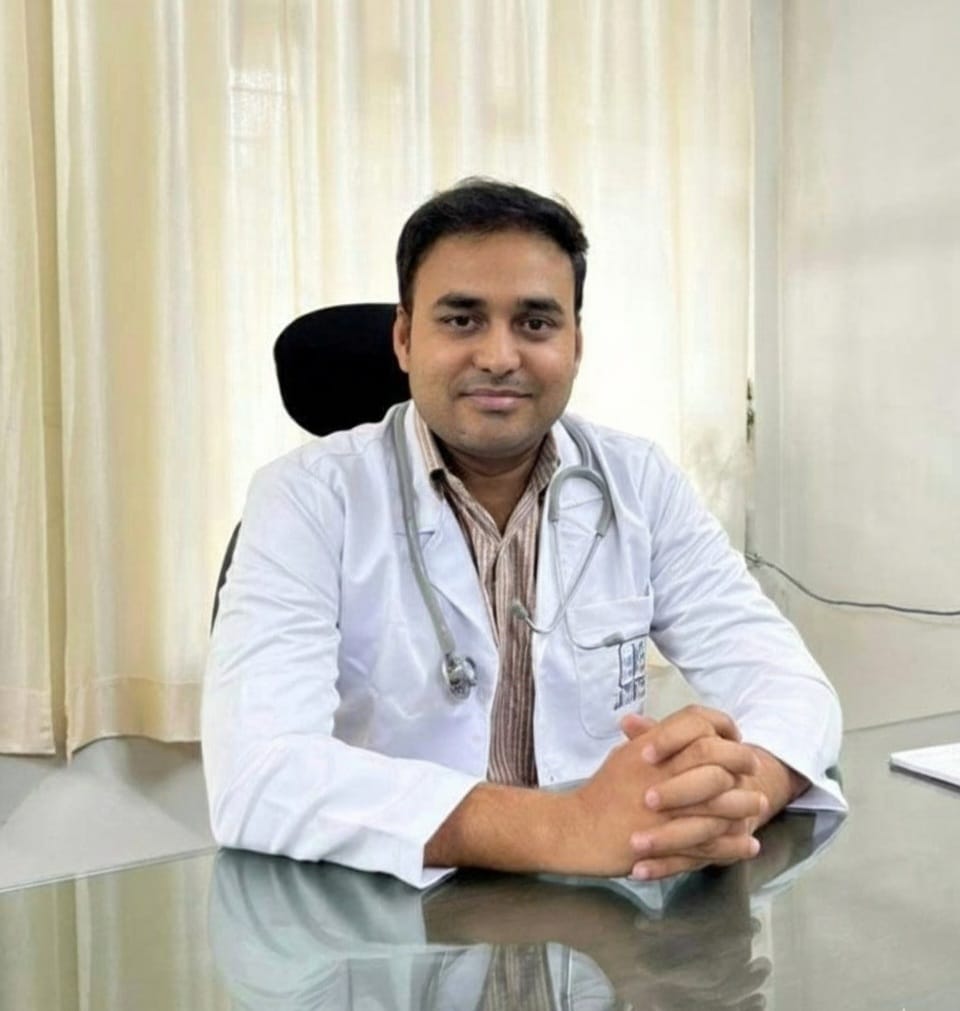
If you have had more than two urine infections in the past six months, if your symptoms came back within weeks of finishing antibiotics, or if you have blood in your urine or pain in your back along with burning urination, you need a ladies urine infection doctor in Wakad who investigates why the infections keep happening, not just a repeat antibiotic prescription. Dr. Sunil Palve, MCh Urology from Osmania Medical College, Hyderabad, is a Consultant Urologist and Uro-Surgeon at 6Venus Fertility and Urology Hospital in Wakad. He specialises in female urology including recurrent UTI, bladder infections, urine incontinence, and related urinary conditions in women.
Why Women Get Urine Infections More Often Than Men
The anatomy is the starting point. The female urethra, the tube that carries urine from the bladder out of the body, is approximately 4 centimetres long. In men it is roughly 20 centimetres. That short distance means bacteria have very little to travel to reach the bladder from the external opening. The urethral opening in women also sits very close to the anal opening, which is where the most common UTI-causing bacterium, Escherichia coli, originates. These are not lifestyle failures. They are anatomical realities that make women inherently more susceptible.
Other factors that increase UTI risk in women include:
- Sexual activity — intercourse can push bacteria toward the urethra, which is why UTIs are sometimes called honeymoon cystitis in younger women
- Pregnancy — hormonal changes and pressure on the bladder from the growing uterus make pregnant women significantly more susceptible; UTI in pregnancy must be treated immediately
- Menopause — oestrogen decline changes the vaginal environment and the lining of the urethra and bladder, making post-menopausal women more prone to recurrent infections
- Holding urine for long periods — research confirms this is among the strongest behavioural risk factors, particularly relevant for women in office environments in Wakad and Hinjewadi
- Diabetes — high blood sugar creates a favourable environment for bacterial growth in the urinary tract
- Prior catheter use — even a single short-term catheter episode significantly increases the risk of infection
UTI Symptoms in Women: What Burning Urination Actually Signals
Symptoms of a urinary tract infection in women are usually unmistakable, but not always. Some women with confirmed infections on culture have very mild symptoms. Others have severe discomfort without a positive culture. Knowing what to look for helps in deciding when to seek care and what to tell the doctor.
Common symptoms of a bladder infection (cystitis):
- Burning or stinging sensation during urination
- Frequent urge to urinate even when the bladder is nearly empty
- Feeling of incomplete bladder emptying after urination
- Cloudy, dark, or foul-smelling urine
- Mild pelvic discomfort or pressure in the lower abdomen
- Pink or red-tinged urine indicating blood in urine
Symptoms that suggest the infection has reached the kidneys (pyelonephritis):
- Fever above 38 degrees Celsius
- Chills and shivering
- Pain in the back, side, or flank below the ribcage
- Nausea or vomiting
- Burning urination combined with any of the above
A kidney infection is a medical emergency. It does not wait for the next available appointment. Women in Wakad experiencing burning urination combined with fever and back pain should go directly to 6Venus or the nearest emergency facility without delay. Untreated kidney infections can cause permanent kidney damage and sepsis.
Recurrent UTI in Women: The Problem a Single Antibiotic Course Does Not Fix
Recurrent UTI is defined as three or more infections in 12 months, or two or more in six months. It affects approximately 22 percent of women of reproductive age in India, based on published cross-sectional studies. For many women in Wakad, the cycle looks like this: burning begins, they go to a pharmacy, get antibiotics, feel better in three days, stop the course early, and then four to six weeks later the same symptoms return. The infection comes back. A different antibiotic is tried. The cycle continues.
There are several reasons recurrent UTIs happen that have nothing to do with antibiotic choice alone:
- Incomplete antibiotic courses — bacteria that survive a shortened course develop resistance and repopulate faster
- Antibiotic resistance — E. coli, which causes roughly 75 to 80 percent of UTIs in women, has developed resistance to commonly used antibiotics including ampicillin and trimethoprim in a significant proportion of Indian cases
- Structural abnormalities — ureteric reflux, bladder diverticula, or incomplete bladder emptying creates reservoirs where bacteria persist between episodes
- Vaginal microbiome disruption — repeated antibiotic use disrupts the protective lactobacillus-dominant environment in the vagina, making subsequent infections more likely
- Bladder wall biofilms — some bacteria form protective biofilm communities on the bladder wall that antibiotics cannot penetrate, causing recurrences from the same bacterial reservoir rather than new infections
- Hormonal changes — particularly in peri-menopausal and post-menopausal women, oestrogen deficiency changes the urethral and vaginal tissue in ways that are only addressed with targeted hormonal or local treatment, not antibiotics
Finding the right ladies urine infection doctor in Wakad for recurrent UTI means finding someone who investigates the cause of recurrence, not just the bacteria. Dr. Sunil Palve at 6Venus approaches recurrent UTI in women with a structured investigation protocol that goes beyond the standard urine routine and culture, looking at bladder function, anatomy, and hormonal status where relevant.
How Urine Infection in Women Is Properly Diagnosed at 6Venus Wakad
Diagnosis begins with the urine tests, but it does not end there for recurrent cases.
For a first or single episode of UTI:
- Urine routine examination to check for white blood cells, red blood cells, and nitrites
- Urine culture and sensitivity to identify the exact organism and determine which antibiotics it responds to
- Physical examination to rule out associated vaginal or pelvic issues
For recurrent UTI (2 or more episodes in 6 months):
- Detailed urine culture from a midstream clean-catch sample to avoid contamination
- Ultrasound of the kidneys, ureters, and bladder (KUB ultrasound) to check for structural abnormalities, residual urine, stones, or bladder wall thickening
- Post-void residual urine measurement to assess whether the bladder is emptying fully
- Cystoscopy in selected cases where bladder pathology, interstitial cystitis, or urethral abnormalities are suspected
- Blood sugar testing, as undiagnosed or poorly controlled diabetes is a common driver of recurrent UTI in women over 35
- Hormonal assessment in post-menopausal women where oestrogen deficiency is a contributing factor
At 6Venus Fertility and Urology Hospital in Wakad, urinary infection treatment in Wakad is handled with in-house diagnostic capability including ultrasound, urology consultation, and coordination with the 6Venus laboratory. Women do not need to visit three separate locations for investigations. The entire diagnostic workup is managed in one facility on Dange Chowk Road.
UTI Treatment in Women: What Works, What Does Not, and When Surgery Is Needed
Standard acute UTI treatment:
- Antibiotic prescribed based on urine culture sensitivity results, not assumed empirically
- Full course completion, typically 5 to 7 days for uncomplicated cystitis
- Increased fluid intake to flush the urinary tract
- Avoidance of bladder irritants including caffeine, carbonated drinks, and spicy food during treatment
- Review of culture results to confirm the prescribed antibiotic was the right choice
Recurrent UTI management protocol at 6Venus:
- Low-dose prophylactic antibiotic if structural or behavioural modification alone does not break the cycle
- Post-coital antibiotic prophylaxis for women whose infections correlate with sexual activity
- Vaginal oestrogen cream in post-menopausal women to restore urethral and vaginal tissue integrity
- D-Mannose supplementation as a non-antibiotic preventive measure for women who want to reduce antibiotic exposure
- Behavioural modification counselling covering hydration targets, voiding habits, hygiene, and clothing
When a surgical or procedural intervention is needed:
- Bladder stones contributing to recurrent infections require endoscopic removal
- Urethral stricture or structural narrowing requires urethral dilation or surgical correction
- Vesico-vaginal fistula, a connection between the bladder and vagina causing continuous urine leakage, requires surgical repair, which Dr. Sunil Palve performs at 6Venus
- Significant post-void residual urine caused by bladder outlet obstruction may require a procedure to relieve the obstruction
According to NHS guidance on urinary tract infections, women with recurrent infections should always be investigated for an underlying cause rather than managed indefinitely with repeat antibiotic courses. Long-term antibiotic use carries significant risks including gut microbiome disruption, Clostridium difficile infection, and accelerating the development of antibiotic-resistant organisms in the individual’s urinary flora.
UTI During Pregnancy in Wakad: Why It Cannot Wait
Pregnant women in Wakad and Hinjewadi represent a specific high-risk group for whom urine infection is never a minor inconvenience. Asymptomatic bacteriuria, meaning bacteria in the urine with no symptoms at all, occurs in 2 to 7 percent of pregnant women and will progress to a kidney infection in 20 to 35 percent of cases if left untreated during pregnancy.
Untreated UTI in pregnancy is associated with:
- Preterm labour
- Low birth weight
- Kidney infection (pyelonephritis), which is more severe in pregnancy
- Increased risk of anaemia
This is why a urine routine and culture is part of the standard antenatal workup at every trimester. At 6Venus, pregnant women receiving fertility treatment or IVF monitoring in Wakad have urine testing integrated into their routine antenatal review, so asymptomatic bacteriuria is caught and treated before symptoms develop. Women who are pregnant and experience burning urination, frequency, or any blood in their urine should not self-medicate. Not all antibiotics are safe in pregnancy. The right antibiotic, at the right dose, for the right duration, based on a culture result, is essential.
Women With Diabetes and Recurrent UTI in Wakad
Type 2 diabetes and pre-diabetes are significantly more common in urban Indian women than global averages suggest, particularly in the 35 to 55 age group. High blood glucose creates an environment in the urinary tract that is ideal for bacterial growth. Women with diabetes have a 2 to 3 times higher risk of UTI compared to non-diabetic women, more frequent recurrences, and a higher chance of developing a kidney infection from a bladder infection that would be milder in a non-diabetic woman.
Managing recurrent UTI in a diabetic woman requires treating both conditions simultaneously. Blood sugar control is not optional background information. It is a direct component of the UTI treatment plan. At 6Venus in Wakad, this integrated approach means that a woman presenting with her third UTI in four months will have her blood glucose checked as part of the investigation, not as an afterthought.
Urine Incontinence in Women: A Related Condition That Needs a Urologist, Not Just a Pad
Many women in Wakad manage urine leakage quietly for years, assuming it is a natural consequence of pregnancy and delivery. It is not something that has to be accepted. Stress incontinence (leakage with coughing, sneezing, or exercise) and urge incontinence (sudden strong urge followed by leakage) are both treatable conditions that Dr. Sunil Palve at 6Venus addresses as part of female urology care.
Recurrent UTIs and urinary incontinence often coexist in women. Incomplete bladder emptying caused by incontinence or weak pelvic floor muscles can allow bacteria to accumulate in residual urine. Treating the incontinence often reduces UTI frequency as a secondary benefit. Women experiencing both conditions should mention both at the consultation so the evaluation covers the full picture.
If you are a woman in Wakad, Hinjewadi, Pimple Saudagar, or anywhere across PCMC dealing with repeated urine infections, painful urination, blood in urine, or urinary leakage, a consultation with Dr. Sunil Palve at 6Venus Fertility and Urology Hospital is the most efficient step toward understanding and breaking the cycle. The cost of urine infection treatment in Wakad is discussed transparently at the first consultation. Investigations are done in-house. You do not need a referral. Book directly.
Frequently Asked Questions: Ladies Urine Infection Doctor in Wakad
1. Should I see a gynaecologist or a urologist for a urine infection in Wakad?
For a first or single episode of UTI, a gynaecologist or general physician is appropriate. For recurrent UTIs, blood in the urine, flank pain suggesting kidney involvement, or urine infections that return despite antibiotic treatment, a urologist is the right specialist. Dr. Sunil Palve at 6Venus Wakad is a urologist with specific expertise in female urology and recurrent UTI, and he sees women directly without referral.
2. How do I know if my UTI has reached my kidneys?
Bladder infections (cystitis) cause burning urination, frequency, and lower abdominal discomfort. When infection spreads to the kidneys, you develop fever above 38 degrees Celsius, chills, and pain in the back or side below the ribcage, often alongside the urinary symptoms. Nausea and vomiting may also occur. Kidney infection requires urgent treatment with stronger antibiotics and sometimes hospitalisation. Do not manage this at home.
3. Why does my urine infection keep coming back even after antibiotics?
Recurrence happens for several reasons: incomplete antibiotic courses, antibiotic resistance, structural issues in the bladder or urinary tract, bacterial biofilms on the bladder wall, hormonal changes reducing natural defences, or underlying conditions like diabetes. A single urine culture and antibiotic prescription does not investigate any of these. A recurrent UTI workup at 6Venus Wakad looks for the underlying driver so treatment addresses the cause, not just the symptoms.
4. Is it safe to take antibiotics for UTI without a urine culture in Wakad?
For a first simple episode in a young, healthy, non-pregnant woman, empirical antibiotic treatment is sometimes appropriate. However, antibiotic resistance in E. coli to commonly prescribed drugs is increasing in India. Treating without a culture means there is a real chance the antibiotic chosen does not work against the specific organism causing the infection. For any recurrent UTI, treatment based on culture and sensitivity results is essential.
5. Can I get a urine culture done at 6Venus Wakad directly?
Yes. Urine culture and routine examination can be initiated at the 6Venus facility in Wakad. Samples are processed and results are reviewed by Dr. Sunil Palve at the follow-up appointment, typically within 48 to 72 hours of sample collection. The doctor reviews both the culture result and the clinical picture together before finalising the antibiotic choice for treatment.
6. Is urine infection dangerous during pregnancy?
Yes. Even asymptomatic UTI (bacteria present in urine with no symptoms) during pregnancy carries a 20 to 35 percent risk of progressing to a kidney infection if untreated. Untreated UTI in pregnancy is associated with preterm labour and low birth weight. All pregnant women should have a urine culture done at each antenatal visit. If symptoms appear at any stage of pregnancy, they must be assessed immediately. Not all antibiotics are safe in pregnancy, so self-medication is not appropriate.
7. What lifestyle changes actually reduce UTI frequency in women?
The evidence-based changes that genuinely reduce recurrence include: drinking 2 to 3 litres of water daily, urinating shortly after sexual intercourse, wiping front to back after using the toilet, avoiding prolonged urine holding, wearing breathable cotton underwear, limiting heavy use of spermicides, and avoiding douching or strong feminine hygiene sprays that disrupt vaginal pH. D-Mannose supplementation has some supporting evidence as a non-antibiotic preventive measure for women whose infections are caused by E. coli.
8. Can hormonal changes after menopause cause urine infections?
Yes. Oestrogen decline after menopause thins the lining of the urethra and vagina and reduces the protective lactobacillus population in the vaginal environment. This creates conditions where bacteria colonise more easily. Post-menopausal women with recurrent UTI often benefit from local vaginal oestrogen therapy, which restores tissue integrity and significantly reduces infection frequency. This treatment is discussed with Dr. Sunil Palve at the urology consultation based on each patient’s hormonal history.
9. What is the cost of a urine infection consultation at 6Venus Wakad?
Consultation fees, urine investigation costs, and any additional test fees are explained transparently at the first visit. There is no hidden investigation charge added after the appointment. If an ultrasound or additional urology workup is needed based on the clinical picture, this is discussed and priced clearly before proceeding. Women concerned about cost can call 6Venus directly before booking to get an estimate based on their specific situation.
10. Does 6Venus treat urine incontinence in women alongside UTI in Wakad?
Yes. Female urology at 6Venus covers both recurrent UTI and urinary incontinence, which often coexist. Dr. Sunil Palve evaluates both conditions together, since incomplete bladder emptying from incontinence-related causes can contribute directly to recurrent infections. Women experiencing both burning urination and urinary leakage should mention both at the consultation so the evaluation is complete. Treatment for both conditions is available in-house without referral to another facility.