Kidney stones affect roughly 12% of men and 6% of women in India at some point in their lives, and the Pune-PCMC corridor sees a particularly high incidence because of the combination of hard water, high-protein diets, and the chronic dehydration that comes with long desk hours and air-conditioned offices. Most people in Wakad who experience a kidney stone for the first time have no idea what treatment involves, how long it takes, or what it costs.
The honest answer is that kidney stone treatment cost in Wakad depends on one thing above everything else: the size and location of the stone. A 4mm ureteric stone and a 2cm staghorn calculus require completely different procedures with very different price points. Any cost estimate that does not account for your specific stone is meaningless. What this page does is give you a clear picture of what each procedure involves, what it costs at specialist centres in Wakad and Pune, and what Dr. Sunil Palve at 6Venus Urology Hospital in Wakad brings to each of those treatment decisions.
Dr. Sunil Palve: The Urologist Treating Kidney Stones in Wakad
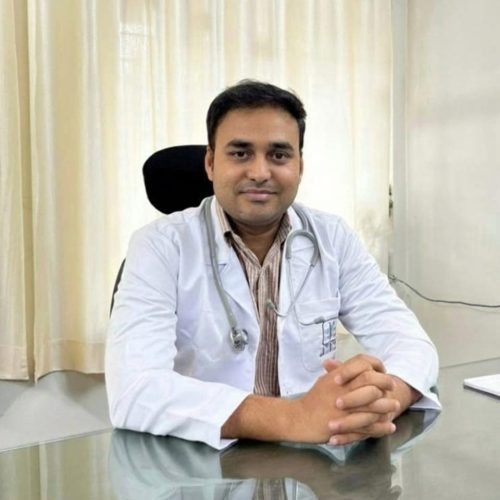
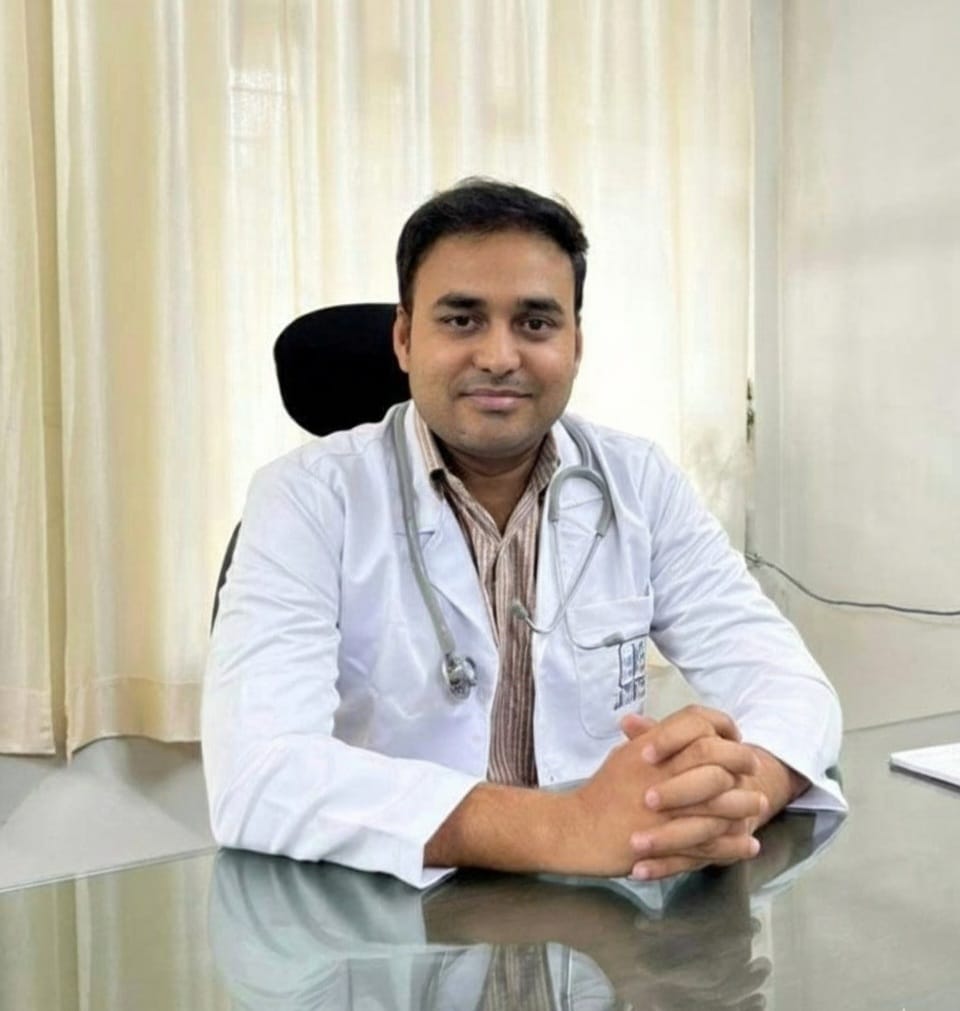
Dr. Sunil Palve, MBBS, MS General Surgery, MCh Urology, is the co-founder and urology specialist at 6Venus Fertility and Urology Hospital on Dange Chowk Road, Wakad. He completed his MCh in Urology from Osmania Medical College, Hyderabad, one of India’s most respected surgical training institutions. He brings over 15 years of clinical experience and has performed more than 750 stone surgeries, including kidney stones, ureteric stones, and bladder stones, using advanced minimally invasive techniques.
His specific areas of expertise in kidney stone surgery set him apart from a general urologist:
- Supine PCNL: Most surgeons perform PCNL with the patient face-down (prone). Dr. Palve operates with the patient lying naturally on their back (supine), which is safer for anaesthesia administration and allows faster surgery
- Tubeless PCNL: Standard PCNL leaves a drainage tube hanging from the patient’s back after surgery. Dr. Palve secures the internal puncture and avoids external tubes entirely, which means significantly less post-operative pain and a faster discharge
- Laser Dusting: Instead of breaking a stone into fragments that must be removed with forceps, Dr. Palve uses high-frequency laser energy to vaporise the stone into dust-fine particles that pass harmlessly through urine on their own. No basket retrieval, no scraping, no bleeding from instrument contact
As Dr. Palve has stated: “We use precision laser dusting to ensure you are 100% stone-free and home in 24 hours, without a single cut.” That is not a marketing line. It reflects his surgical technique as a specialist in endourology, the branch of urology that operates entirely through natural passages or tiny pinholes rather than open incisions.
Kidney Stone Treatment Cost in Wakad: Procedure-wise Breakdown
Kidney stone treatment is not one procedure. It is a family of procedures, each suited to different stone sizes and locations. The cost at 6Venus and comparable specialist centres in Wakad and Pune falls within these ranges:
| Procedure | Stone Size / Location | Approx Cost in Pune | Hospital Stay |
|---|---|---|---|
| ESWL (Extracorporeal Shockwave Lithotripsy) | Stones up to 1cm, suitable location | Rs. 20,000 to 50,000 per session | No admission |
| URS (Ureteroscopy) | Ureteric stones, small kidney stones | Rs. 40,000 to 80,000 | Day procedure |
| RIRS (Retrograde Intrarenal Surgery) | Kidney stones up to 2cm | Rs. 70,000 to 1,05,000 | Day procedure |
| PCNL (Percutaneous Nephrolithotomy) | Stones above 2cm, complex stones | Rs. 90,000 to 1,60,000 | 24 to 48 hours |
| Pre-treatment diagnostics (CT, ultrasound, blood, urine) | All cases | Rs. 4,000 to 10,000 | Not applicable |
These are approximate ranges across Pune. The final cost at 6Venus depends on stone complexity, the specific technique used, anaesthesia type, and whether a ureteral stent is placed. Dr. Palve discusses all of this transparently before any procedure is scheduled. Why stones keep recurring in this region at all is a separate question, answered in our piece on kidney stone treatment in Pune.
What the Cost Difference Between Procedures Actually Means
Patients sometimes ask why RIRS costs more than ESWL. The reason is not markup. It reflects equipment, surgeon skill, and outcome quality.
ESWL uses external shockwaves to break a stone. It is non-invasive and inexpensive, but it has significant limitations: it works only for certain stone compositions (calcium oxalate monohydrate and calcium phosphate respond poorly), it requires the stone to be in a position where shockwaves reach it effectively, and it often requires multiple sessions. Stones in the lower pole of the kidney have particularly poor clearance rates with ESWL because fragments have difficulty draining by gravity.
RIRS uses a flexible ureteroscope and holmium laser passed through the urethra, bladder, and ureter directly into the kidney. No incision. The stone is vaporised in a single session. With Dr. Palve’s laser dusting technique, clearance rates are very high. A patient goes home the same day.
PCNL involves accessing the kidney through a small hole in the back under imaging guidance. Dr. Palve’s Tubeless Supine PCNL at 6Venus removes the external drainage tube entirely and allows patients to lie in a safer position during surgery. Most patients are discharged in 24 hours. This is reserved for stones that are too large for RIRS or positioned in ways that make RIRS technically impractical.
For a complete breakdown of what each of these procedures involves at 6Venus, see the 6Venus laser kidney stone surgery page.
Stone Size and What It Means for Your Treatment Decision
The size of your stone on CT scan or ultrasound is the most important number in the treatment decision. Here is what different sizes typically mean clinically:
- Under 5mm: High chance of passing on its own with hydration and pain management. Medical management first. No surgery immediately required unless there is infection, fever, or complete ureteric obstruction
- 5mm to 10mm: May pass with medical expulsive therapy (alpha blockers) but passage is not guaranteed. RIRS or URS is recommended if the stone does not pass within 4-6 weeks or if pain is significant
- 10mm to 20mm: Unlikely to pass without intervention. RIRS is the preferred approach at 6Venus for this size range in accessible kidney locations
- Above 20mm (2cm): PCNL is the standard of care. Dr. Palve’s Tubeless Supine technique makes this a far less painful procedure than patients typically expect
- Staghorn calculi (filling the entire kidney collecting system): Complex staged surgery, almost always PCNL. Discussed in detail after CT imaging at 6Venus
Stone location matters equally to size. A 1.5cm stone in the lower pole of the kidney is a different treatment problem than a 1.5cm stone in the renal pelvis. Dr. Palve’s pre-surgical low-dose CT protocol at 6Venus maps the stone’s precise position and measures its hardness (Hounsfield units) before selecting the technique. This is not a routine step at most general hospitals but is standard at 6Venus because it eliminates intraoperative surprises.
Why People in Wakad Delay Kidney Stone Treatment and Why That Is Costly
Two patterns consistently appear at 6Venus with kidney stone patients from Wakad and Hinjewadi. The first is tolerance of pain: many patients manage on painkillers for weeks before consulting a specialist, assuming the stone will pass. The second is concern about cost and time off work. Both lead to the same outcome: a stone that has grown, moved, or caused partial ureteric obstruction that complicates treatment and pushes total cost higher.
A small stone managed conservatively that turns into a 1.5cm stone requiring RIRS costs more than RIRS would have cost earlier. An obstructed stone that causes a urinary tract infection requires antibiotics and sometimes a temporary ureteral stent before surgery can be done safely, which adds procedures and cost. The expensive outcome in kidney stone treatment is almost always the delayed one.
Dr. Palve’s position at 6Venus is straightforward: a stone over 6mm that has not passed in four weeks warrants a proper urological consultation with imaging. If the stone is treatable as a day procedure, most working people in Wakad can return to desk work within 48 hours of RIRS or URS. PCNL with the tubeless technique typically means a single day of hospitalisation and a return to light work within 3-4 days.
Does Health Insurance Cover Kidney Stone Surgery in Wakad?
Yes, and this is one area where kidney stone treatment differs significantly from fertility treatment. Most standard health insurance policies in India cover kidney stone surgery as a medically necessary procedure. This applies to both individual and group corporate insurance plans, which are common among IT employees in Wakad and Hinjewadi.
Coverage typically includes:
- Hospitalisation charges
- Surgeon and anaesthesia fees
- Pre-surgical diagnostic tests (CT, ultrasound, blood work)
- Operating theatre and equipment charges
- Post-operative medications during the hospital stay
Day-care procedures like RIRS and URS are now covered under most policies as day-care surgeries, though individual policy wording varies. At 6Venus, the billing team helps patients verify their coverage before scheduling surgery and provides the documentation insurers require for claims. For anything covered under your policy, the out-of-pocket cost at 6Venus can be substantially lower than the ranges listed above. Which procedure you need affects that figure most, and RIRS kidney stone surgery is usually the option with the shortest recovery.
What Makes 6Venus the Right Choice for Kidney Stone Surgery in Wakad
Wakad has general hospitals and multispecialty centres within a few kilometres in every direction. What distinguishes 6Venus for kidney stone treatment is the combination of Dr. Palve’s specific subspecialty expertise in advanced endourology and the clinic’s infrastructure for in-house imaging, diagnostics, and procedure rooms. Patients are not referred between departments or sent to external labs. Everything from the CT scan review to the laser surgery happens within the same clinical environment.
The Tubeless Supine PCNL technique available at 6Venus is not offered at every urology centre in Pune. Most centres perform standard prone PCNL with an external drainage tube. The difference in patient comfort and recovery time is significant. For complex or large stone cases where patients have been quoted open surgery or standard PCNL elsewhere, Dr. Palve’s minimally invasive approach is worth a second opinion.
6Venus also handles the male infertility side of urology, which means patients with kidney stones who also have concerns about fertility, sexual health, or prostate health can address multiple issues with the same specialist team. The men’s health consultation page at 6Venus on when to see a urologist explains the full scope of urology care Dr. Palve provides. Stones are only one part of that scope, and our kidney specialist in Wakad page covers chronic kidney disease and the rest of it.
UTI, Kidney Stones, and the Connection Most Patients Miss
Recurrent urinary tract infections (UTIs) and kidney stones are often linked. Struvite stones, also called infection stones, form specifically because of UTIs caused by urea-splitting bacteria. If you have had repeated UTIs in Wakad and are now presenting with a kidney stone, the stone may itself be a product of the infection, not an independent problem. Treating the stone without addressing the infection pattern leads to recurrence.
At 6Venus, Dr. Palve evaluates stone composition as part of post-surgical care and recommends metabolic and dietary measures based on what the stone is made of. Calcium oxalate stones, uric acid stones, struvite stones, and cystine stones all have different dietary and pharmacological prevention strategies. A stone that is removed without identifying its composition is a stone that will likely return. See the 6Venus resource on UTI specialist care in Pune for the connection between urinary infections and stone formation.
Getting a Cost Estimate for Your Kidney Stone at 6Venus Wakad
No cost figure in any article applies to your case without a proper evaluation. Stone size, location, hardness, your medical history, anaesthesia requirements, and insurance status all affect the final number. What does not change at 6Venus is the commitment to transparency: Dr. Palve discusses the recommended procedure, the clinical reasoning behind it, and the full cost structure before you consent to anything.
6Venus Fertility and Urology Hospital is located at 3rd Floor, Darekar Heights, Dange Chowk Road, opposite Pandit Petrol Pump, Yashoda Colony, Wakad, Pune 411033. Patients from Hinjewadi, Pimple Saudagar, Marunji, Punawale, Ravet, and Pimpri-Chinchwad are all within a 10-15 minute drive. Visit 6Venus Fertility and Urology Hospital to book a consultation with Dr. Sunil Palve.
10 Questions Patients in Wakad Ask About Kidney Stone Treatment Cost
1. What is the total kidney stone treatment cost in Wakad including diagnostics?
For a straightforward ureteric stone treated with URS at a specialist centre in Wakad, total cost including pre-surgical CT scan, procedure, anaesthesia, and a day-care stay typically falls between Rs. 50,000 and Rs. 90,000. RIRS for kidney stones up to 2cm runs Rs. 80,000 to Rs. 1,15,000 all-inclusive. PCNL for larger stones ranges Rs. 1,10,000 to Rs. 1,80,000 depending on complexity. These figures vary by case, and insurance coverage can significantly reduce out-of-pocket costs.
2. Does kidney stone surgery require a hospital stay?
Most kidney stone procedures at 6Venus are done as day-care or 24-hour procedures. RIRS and URS are done under short general anaesthesia, require 2-4 hours of post-procedure recovery, and most patients go home the same day. Even Dr. Palve’s PCNL patients, who require the most complex surgery, are typically discharged within 24 hours using the Tubeless Supine technique. Open surgery for kidney stones is rarely needed with modern endourology.
3. Is laser kidney stone treatment painful?
The procedure itself is performed under anaesthesia, so there is no pain during surgery. Post-procedure discomfort is mild and typically managed with oral painkillers for 24-48 hours. Dr. Palve’s tubeless PCNL avoids the external drainage tube that causes most of the post-operative discomfort in standard PCNL. Most patients describe recovery as significantly less painful than they expected.
4. Can a kidney stone pass on its own without surgery?
Stones under 5mm have a reasonable chance of passing with hydration and medical expulsive therapy (alpha blockers). Stones between 5-10mm may pass but often do not within a reasonable window. Stones above 10mm almost never pass without intervention. Even for smaller stones, if there is infection, fever, or obstruction, surgery should not be delayed regardless of size. A urologist’s evaluation with imaging is the only way to make this decision properly.
5. What is RIRS and why does Dr. Palve prefer it for kidney stones?
RIRS (Retrograde Intrarenal Surgery) uses a flexible ureteroscope passed through the urethra and bladder into the kidney. No incision is made. A laser fibre inside the scope vaporises the stone directly. Dr. Palve uses a laser dusting technique that turns the stone into fine particles that pass in urine without basket retrieval. It is a single-session, day-care procedure with very high stone-free rates for stones up to 2cm. It is the preferred approach at 6Venus for most kidney stones in this size range.
6. What is Tubeless PCNL and how is it different from standard PCNL?
In standard PCNL, after the stone is removed through a small hole in the back, an external drainage tube (nephrostomy tube) is left in place to drain the kidney. This tube causes significant pain and requires a follow-up visit for removal. Dr. Palve’s Tubeless PCNL seals the internal puncture internally and avoids the external tube entirely. The result is considerably less post-operative pain, shorter hospital stay (usually 24 hours), and faster return to normal activity.
7. Will my insurance cover kidney stone laser surgery in Wakad?
Most standard health insurance policies in India cover kidney stone surgery as a medically necessary procedure. This includes RIRS, URS, and PCNL. Day-care procedures are now widely covered under updated policy terms. ESWL coverage varies by insurer. At 6Venus, the billing team assists with pre-authorisation and claim documentation. Contact the clinic with your insurance card and policy number to verify your specific coverage before scheduling.
8. How long does it take to recover from kidney stone surgery in Wakad?
Recovery timelines at 6Venus: RIRS and URS patients typically return to desk work within 48-72 hours. Tubeless PCNL patients are usually back to light activity within 3-4 days. There may be mild burning during urination for a few days, and sometimes a temporary ureteral stent is placed that causes mild discomfort until removed (usually 1-2 weeks later). Dr. Palve discusses all post-operative expectations in detail before surgery so patients can plan their schedules.
9. Can kidney stones come back after treatment?
Yes. Recurrence rates for kidney stones in India are significant, with some studies showing up to 50% of patients forming a new stone within 10 years. Recurrence depends on stone type, diet, hydration habits, and underlying metabolic conditions. At 6Venus, Dr. Palve reviews the stone composition after removal and provides specific dietary and pharmacological guidance to reduce recurrence risk. This step is often skipped at general hospitals but is standard at 6Venus.
10. How do I know if I need to see a urologist for my kidney stone in Wakad?
See Dr. Palve at 6Venus if you have a stone above 6mm on imaging, if your stone has not passed after 4 weeks of conservative management, if you have fever or chills with back pain (infection risk), if you have blood in the urine, if you have only one functioning kidney, or if pain is not controlled with standard painkillers. Do not wait for a complication. A consultation with imaging review at 6Venus Urology Hospital in Wakad gives you a clear diagnosis and treatment plan in a single visit. Patients who turn out to have an infection rather than a stone can see what that costs under urine infection treatment cost.