
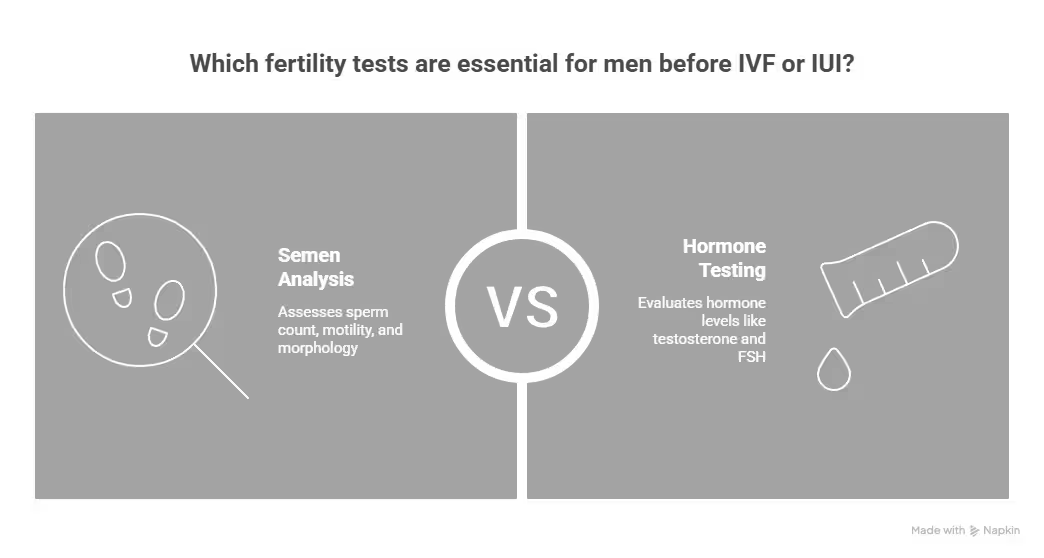
If you and your partner are planning fertility treatment, understanding the male fertility test before IVF or IUI is a very important first step. Many people think fertility testing focuses only on women, but that’s not true. Doctors usually recommend checking both partners early because male factors contribute to nearly half of infertility cases worldwide. According to the World Health Organization, male factors are involved in about 40–50% of infertility cases, which makes proper testing essential before treatment starts.
Here’s the thing, these tests help doctors understand sperm health and reproductive function before choosing IVF or IUI. They remove guesswork and help you move forward with more confidence. Through proper male infertility diagnosis, you get clear answers about what’s working well and what needs support. This can reduce stress and help you make better decisions as a couple.
- A male fertility test before IVF or IUI helps identify sperm-related issues early
- It supports better treatment planning and realistic expectations
- Doctors rely on fertility tests for men to choose the right treatment path
“The right test at the right time can save months of confusion.”
Why Male Fertility Test Before IVF or IUI Is Important for Treatment Success
Many couples begin treatment thinking IVF or IUI will solve everything, but doctors usually start with testing first. A male fertility test before IVF or IUI helps identify sperm-related issues that may affect success. When doctors understand sperm health early, they can select the right treatment approach instead of using trial and error. This saves time, reduces stress, and helps couples move forward with realistic expectations. Proper testing also supports clearer male infertility diagnosis so treatment decisions are based on facts, not assumptions.
According to the World Health Organization, infertility in the male reproductive system is often linked to problems such as low sperm count, poor movement, or abnormal sperm shape. This is why early testing plays a key role before choosing IVF or IUI, since treatment decisions work best when based on clear clinical findings rather than guesswork.
How a Male Fertility Test Before IVF or IUI Improves Success Rates
A male fertility test before IVF or IUI gives doctors clear insight into sperm count, movement, and overall quality. When problems are identified early, treatment plans can be adjusted to increase chances of success. In many cases, small medical or lifestyle changes improve outcomes before treatment begins. This process also supports accurate male infertility diagnosis, which helps doctors match the right fertility procedure to the patient’s condition rather than choosing blindly.
- Identifies sperm problems early
- Helps choose the correct treatment method
- Reduces failed treatment cycles
When Doctors Recommend Fertility Tests for Men Before IVF or IUI
Doctors usually suggest fertility tests for men when a couple has been trying to conceive for several months without success. Testing may also be recommended if there is a history of health issues, surgery, or lifestyle factors affecting fertility. Before starting IUI or IVF, specialists want clear baseline information. A male fertility test before IVF or IUI ensures both partners are evaluated properly so treatment planning becomes smoother and more efficient.
- Before starting IVF or IUI cycles
- After prolonged difficulty conceiving
- When medical history may affect fertility
Role of Male Infertility Diagnosis in Treatment Planning
Male infertility diagnosis plays a key role in deciding what happens next. Once doctors understand the exact issue, they can recommend suitable interventions, medicines, or assisted reproduction methods. Diagnosis also helps avoid unnecessary procedures and guides realistic expectations. Instead of guessing, couples receive a structured plan that fits their condition. When diagnosis is clear, treatment timelines become more predictable and the overall fertility journey feels more manageable for both partners.
Semen Analysis Test and Sperm Count and Motility Test Explained
Among all checks, the semen analysis test is usually the first step doctors suggest. It gives a clear picture of sperm health and helps doctors understand whether natural conception, IUI, or IVF is more suitable. Since this is a key part of the male fertility test before IVF or IUI, it helps avoid confusion later in treatment. Many specialists consider it one of the most important starting points because it quickly shows how well sperm are functioning. Along with other reports, this test helps guide the next medical decisions in a practical and structured way.
What a Semen Analysis Test Measures in Male Fertility
A semen analysis test checks several factors linked to male fertility. Doctors look at sperm count, movement, shape, and semen volume to understand overall reproductive health. This information helps identify whether a sperm count and motility test shows normal or reduced performance. During a male fertility test before IVF or IUI, these results help doctors decide if further evaluation is needed or if treatment can continue directly.
- Total sperm count and concentration
- Sperm movement and direction
- Shape and structure of sperm
- Semen volume and thickness
These measurements give a clear starting point for treatment planning.
Preparation Tips for a Sperm Count and Motility Test
Good preparation helps improve accuracy during a sperm count and motility test. Doctors usually give simple instructions so the sample reflects normal conditions. Since this is one of the common fertility tests for men, following guidelines carefully helps avoid repeat testing.
- Avoid ejaculation for 2 to 5 days before the test
- Avoid alcohol and smoking before sample collection
- Stay hydrated and follow clinic instructions
- Provide the sample within the required time
Small preparation steps can make a big difference in getting reliable results.
Understanding Semen Analysis Test Results and Common Problems
After the semen analysis test, doctors explain whether results fall within normal ranges. Low sperm count, poor movement, or abnormal shape may suggest fertility challenges, but they do not always mean infertility. In many cases, temporary lifestyle factors or health issues affect results. During a male fertility test before IVF or IUI, doctors use these findings for proper male infertility diagnosis and to decide if additional testing or treatment changes are needed. Understanding the report helps couples feel more informed and ready for the next stage of care.
Hormonal Testing for Male Fertility and Advanced Fertility Tests for Men
Sometimes semen reports alone do not explain the complete picture. That’s when doctors suggest hormonal testing for male fertility and a few advanced checks. Hormones control sperm production, sexual function, and overall reproductive health, so even small imbalance can affect outcomes. These tests help doctors understand hidden issues that may not appear in routine analysis. During a male fertility test before IVF or IUI, combining hormone evaluation with other investigations gives a clearer direction for treatment. This approach helps avoid guesswork and supports more accurate planning from the beginning.
Key Hormones Checked in Hormonal Testing for Male Fertility
Hormonal testing for male fertility mainly focuses on hormones linked to sperm production and reproductive function. Doctors check these levels to see if the body is producing signals needed for healthy sperm development. During a male fertility test before IVF or IUI, abnormal hormone levels may explain low sperm count or reduced quality.
- FSH helps control sperm production
- LH supports testosterone release
- Testosterone affects sperm health and libido
- Prolactin can influence hormone balance
When these levels stay within a healthy range, fertility outcomes usually improve.
Advanced Tests Done Alongside Fertility Tests for Men
Sometimes doctors include advanced checks along with routine fertility tests for men to get deeper insights. These tests help identify structural issues, genetic factors, or infections that basic reports may miss. They are useful when conception does not happen despite normal results or repeated treatment attempts. These investigations support better male infertility diagnosis and help specialists design a more suitable treatment plan.
- Ultrasound to check reproductive organs
- Genetic testing when needed
- Infection screening
- Sperm DNA assessment
These tests help doctors understand the full fertility picture.
When Advanced Male Fertility Testing Becomes Necessary
Advanced testing becomes important when couples face repeated failed attempts or when initial reports show unclear patterns. Doctors may also suggest additional checks if hormone levels look abnormal or if previous treatments did not work. During a male fertility test before IVF or IUI, hormonal testing for male fertility often guides the need for deeper evaluation. Early identification of hidden problems helps avoid delays and allows doctors to choose treatment strategies that match the real cause of fertility challenges.
How Male Fertility Test Results Guide IVF or IUI Decisions
Once reports are ready, doctors use them to decide the most suitable fertility path. Test results show sperm quality, movement, and hormone balance, which directly influence whether IUI or IVF will work better. A male fertility test before IVF or IUI helps doctors match treatment to actual reproductive health instead of making assumptions. These findings also help couples understand what to expect in terms of success rates and preparation. With clear reports and proper male infertility diagnosis, treatment planning becomes more practical and less stressful for everyone involved.
Choosing IVF or IUI Based on Male Fertility Test Results
Doctors review sperm count, motility, and overall quality to choose the right procedure. If results show mild issues, IUI may be recommended. More serious problems may require IVF for better chances. During a male fertility test before IVF or IUI, proper male infertility diagnosis helps doctors avoid unnecessary steps and choose the option that offers the best balance between effort, cost, and outcome.
- Mild issues may suit IUI
- Severe sperm issues may require IVF
- Decision depends on complete reports
Lifestyle and Medical Changes After Fertility Testing
After fertility tests for men, doctors often suggest changes that support sperm health before treatment begins. These adjustments may improve results within a few months and support better outcomes during treatment cycles.
- Improve sleep and reduce stress
- Stop smoking or alcohol use
- Follow medical advice and supplements
- Maintain healthy weight and diet
Small lifestyle steps often support long-term improvement.
Next Steps After Completing a Male Fertility Test Before IVF or IUI
Once a male fertility test before IVF or IUI is complete, the next step usually includes discussing results with a specialist. Doctors explain whether treatment can begin immediately or if preparation is needed first. Couples may also receive a clear timeline, medication plan, or additional checks if required. Having structured guidance after testing makes the journey easier and helps couples move forward with more confidence and clarity.
Frequently Asked Questions
1. Is a male fertility test before IVF or IUI really necessary?
Yes. It helps doctors understand sperm health and decide whether IVF or IUI is more suitable. Early testing reduces guesswork and improves treatment planning.
2. What does a semen analysis test check?
A semen analysis test checks sperm count, movement, shape, and semen quality. These factors help doctors evaluate male fertility and guide treatment decisions.
3. How long does it take to get male fertility test results?
Most basic test reports are ready within a few days, while advanced tests or hormone reports may take longer depending on the clinic.
4. Can abnormal male fertility test results improve over time?
Yes. Lifestyle changes, medication, and medical guidance often help improve sperm health within a few months.
5. Are male fertility tests painful or risky?
Most fertility tests for men are simple and non-invasive. Blood tests and semen analysis are generally safe and involve minimal discomfort.
Conclusion
A male fertility test before IVF or IUI helps couples start treatment with clarity instead of confusion. These tests identify sperm health, hormone balance, and other factors that directly influence success rates. When doctors understand the full picture early, they can choose the right procedure, suggest helpful lifestyle changes, and avoid unnecessary delays. The goal is simple: make treatment more focused, practical, and efficient for you and your partner. Good testing also reduces stress because decisions are based on real medical evidence rather than guesswork. Taking this step seriously can improve planning, save time, and help you move forward with confidence during your fertility journey.
“Clear diagnosis brings calm direction, and calm direction often leads to better outcomes.” – Dr Pavan Bendale