India is facing a kidney disease crisis that most people do not know about. A 2025 analysis published in Springer’s International Urology and Nephrology journal estimated that 128 million Indians currently live with chronic kidney disease, and by 2040, CKD could become a top-five cause of death in the country. What makes this more alarming is a finding from the SEEK-India study: only 7.9 percent of people with CKD in India knew they had the condition at the time of diagnosis. The kidneys fail silently, for years, before most people seek help.
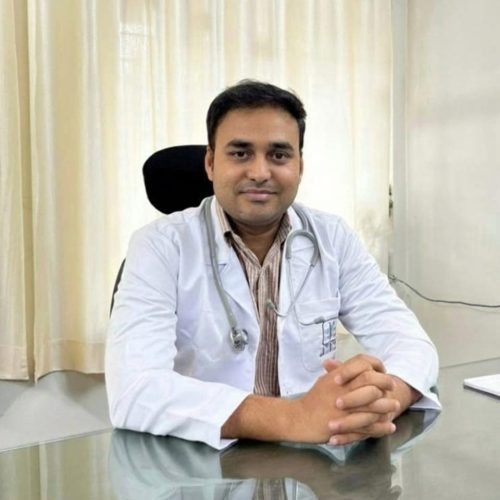
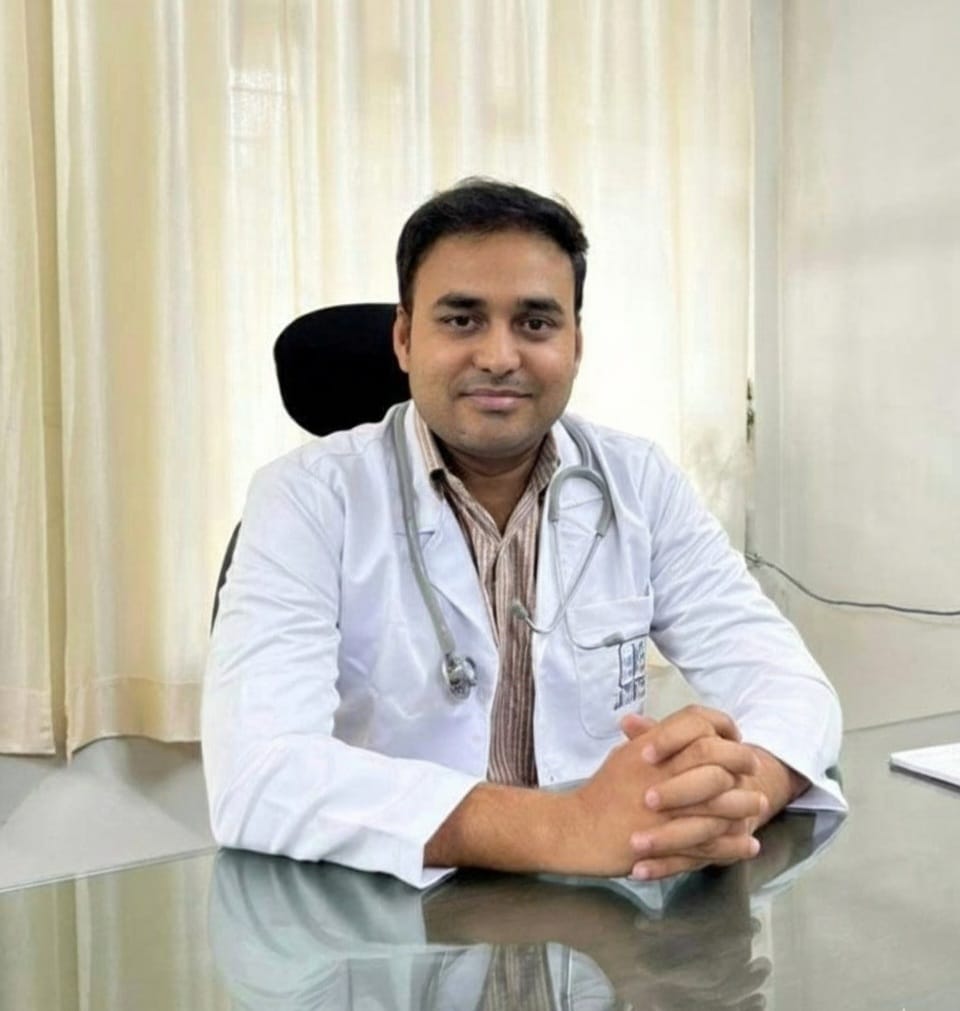
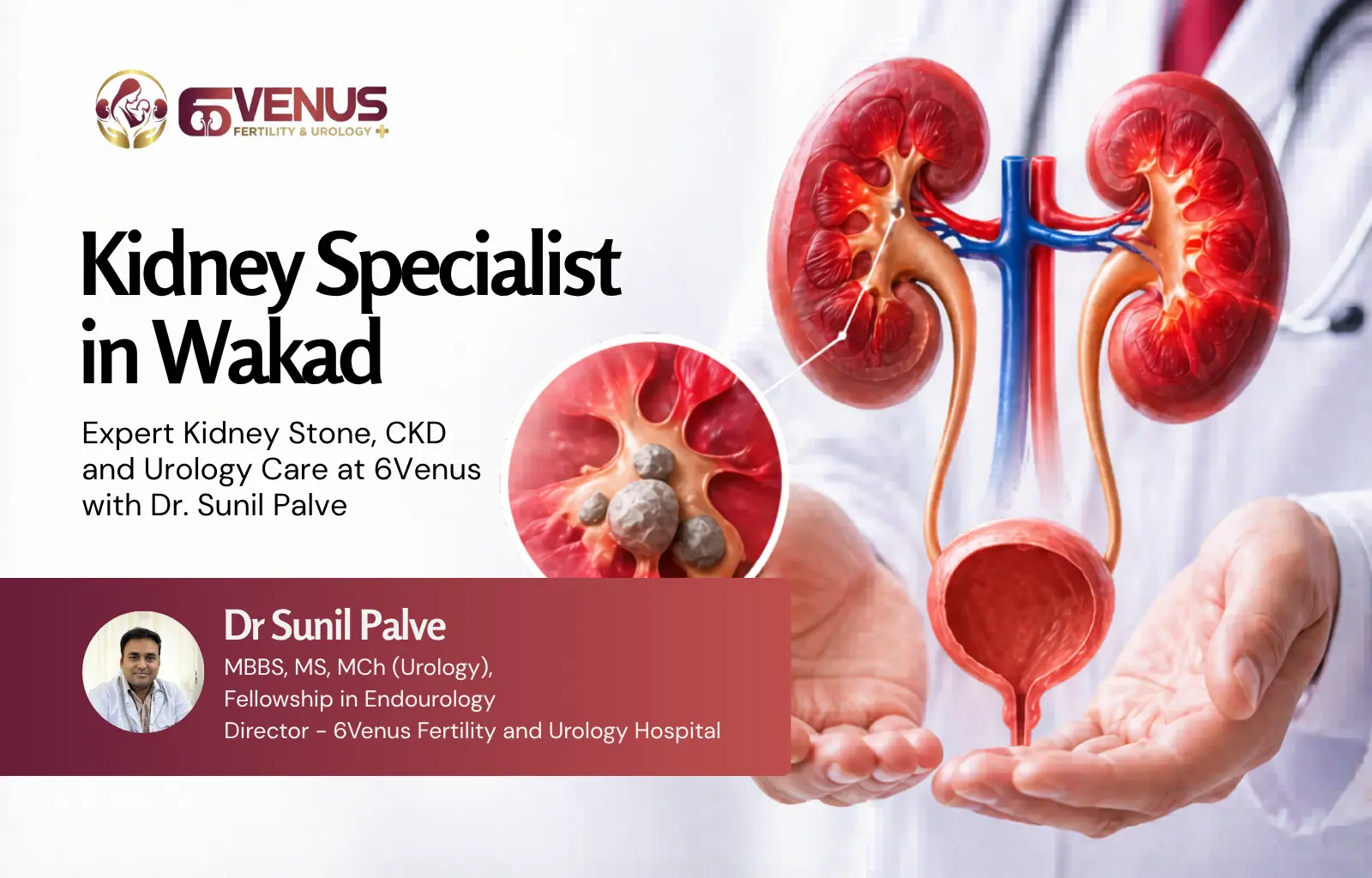
In Wakad, Hinjewadi, and across PCMC, the risk factors driving this crisis are everywhere. Diabetes affects a growing proportion of the IT-working population. Hypertension, one of the two leading causes of CKD, is underdiagnosed and undermanaged in working adults in their 30s and 40s. Kidney stones, which affect an estimated 12 percent of Indians and have a recurrence rate of 50 percent within 10 years, are treated once and forgotten without investigating why they formed. The gap between the problem and accessible specialist care is what Dr. Sunil Palve, MCh Urology, and Consultant Urologist and Uro-Surgeon at 6Venus Fertility and Urology Hospital in Wakad, is positioned to close. If you need a kidney specialist in Wakad, or the best kidney specialist in Wakad for stones, CKD, blood in urine, or kidney infections, this article explains exactly what that specialist should offer and what Dr. Sunil Palve brings to each of those conditions.
Why a Urologist Is the Right Kidney Specialist for Most Kidney Problems in Wakad
People searching for a kidney specialist in Wakad often ask whether they need a nephrologist or a urologist. The distinction matters and is worth understanding clearly.
A nephrologist is a physician who manages medical conditions of the kidneys, meaning conditions treated with medications, diet modification, and monitoring. This includes chronic kidney disease, glomerulonephritis, nephrotic syndrome, and dialysis management.
A urologist is a surgeon who manages both the medical and surgical conditions of the urinary tract, including the kidneys, ureters, bladder, and urethra. This covers:
- Kidney stones requiring surgical removal (RIRS, PCNL, ureteroscopy)
- Kidney infections including renal abscess requiring drainage
- Obstructive uropathy causing kidney damage due to blockage
- Kidney tumours and urological cancers
- Structural kidney abnormalities including hydronephrosis
- Blood in urine (haematuria) investigation
- Ureteric stones and blockages
For the vast majority of people in Wakad who search for a kidney specialist, a urologist is the correct specialist. Kidney stones, ureteric obstruction, haematuria, and recurrent kidney infections are all primarily managed by a urologist, not a nephrologist. Dr. Sunil Palve at 6Venus is the kidney specialist in Wakad who covers this entire surgical and procedural spectrum, with over 500 stone surgeries completed and specific expertise in RIRS, PCNL, and endourological procedures.
Kidney Stones in Wakad: Why They Happen, Who Gets Them, and How They Are Removed
Kidney stones are among the most common reasons people search for a kidney specialist in Wakad. The population profile of Wakad and Hinjewadi makes this entirely predictable. Kidney stone formation is driven by dehydration, high-protein diets, sedentary work environments, high heat exposure during commuting, and low fluid intake throughout the workday. IT professionals who spend 8 to 10 hours at a desk, in an air-conditioned environment that accelerates insensible fluid loss, and who drink far less water than their kidneys require, are a textbook risk group.
How kidney stones form:
- Insufficient fluid intake concentrates the urine
- Minerals and salts in concentrated urine crystallise over time
- Crystals cluster and grow into stones, ranging from 2 mm to several centimetres
- Small stones pass on their own with pain; larger stones obstruct the ureter and require intervention
Symptoms that need a kidney specialist in Wakad immediately:
- Sudden, severe pain in the flank, side, or back that comes in waves
- Pain radiating to the lower abdomen or groin
- Blood in the urine (pink, red, or brown urine)
- Nausea and vomiting with the pain
- Fever with flank pain, which signals infection behind an obstruction and is a urological emergency
- Complete inability to pass urine with back pain, which may indicate bilateral ureteric obstruction
Fever combined with a kidney stone and ureteric obstruction, known as obstructive pyelonephritis, requires emergency drainage within hours to prevent permanent kidney damage and sepsis. This is not a condition to manage at home with painkillers and waiting.
RIRS for Kidney Stone Treatment in Wakad
Retrograde Intrarenal Surgery (RIRS) is the most advanced, scar-free method for removing kidney stones up to approximately 2 centimetres. A thin flexible ureteroscope is passed through the natural opening of the urethra, up through the bladder and ureter, and directly into the kidney. The stone is visualised and then fragmented using a laser, most commonly a Holmium laser. The fragments are either basketed out or left to pass naturally as dust. There is no incision, no puncture of the skin, and no general anaesthesia in many cases. Most patients are discharged the same day or after one overnight stay.
Dr. Sunil Palve performs RIRS at 6Venus for kidney stones in Wakad and across PCMC. The RIRS treatment page at 6Venus Wakad details the procedure, candidate criteria, and what to expect on the day. RIRS is particularly suited to the working population of Wakad and Hinjewadi because it offers faster return to normal activity compared to open or even percutaneous surgery.
PCNL for Larger Kidney Stones in Wakad
Percutaneous Nephrolithotomy (PCNL) is used for kidney stones larger than 2 centimetres, or for stones that have not responded to RIRS or shockwave lithotripsy. A small puncture is made in the back under imaging guidance, and a nephroscope is inserted directly into the kidney to fragment and remove the stone. PCNL is highly effective for large or complex staghorn stones that fill the entire renal pelvis and cannot be addressed by any other method. Recovery is slightly longer than RIRS but significantly faster than traditional open surgery. Dr. Sunil Palve has performed PCNL as part of his endourological surgical practice. For patients in Wakad with stones above 2 centimetres confirmed on CT scan, PCNL at 6Venus removes the need to travel to a larger city hospital for this procedure.
For a full overview of kidney stone treatment cost in Wakad, the 6Venus page covers what each procedure costs, what the package includes, and how EMI options work for surgical treatment.
Chronic Kidney Disease: The Silent Damage Happening in Wakad Right Now
Chronic kidney disease progresses through five stages, defined by declining eGFR (estimated glomerular filtration rate). The kidneys lose function slowly, over months or years, and the body adapts so well that symptoms often do not appear until stage 3 or later, when 40 to 50 percent of kidney function is already lost.
The five stages of CKD:
- Stage 1: eGFR above 90. Kidneys function normally but early damage markers such as protein in urine are present
- Stage 2: eGFR 60 to 89. Mild reduction in function. Still largely asymptomatic
- Stage 3: eGFR 30 to 59. Moderate reduction. Fatigue, mild anaemia, early fluid retention may appear
- Stage 4: eGFR 15 to 29. Severe reduction. Significant symptoms, dialysis planning begins
- Stage 5: eGFR below 15. Kidney failure. Dialysis or transplant required to survive
The SEEK-India study across 13 Indian medical centres found a CKD prevalence of 17.2 percent, with 64.5 percent of CKD patients having hypertension and 31.6 percent having diabetes. In the PCMC and Wakad working population, where both conditions are significantly underdiagnosed in adults under 45 who feel generally well, CKD is accumulating quietly.
Who in Wakad should be screened for CKD by a kidney specialist:
- Anyone with Type 2 diabetes or pre-diabetes
- Anyone with hypertension, even if currently medicated
- Anyone with a family history of kidney failure or dialysis
- Anyone who has had recurrent kidney stones
- Anyone who has had a prolonged UTI, kidney infection, or pyelonephritis
- Anyone who took long-term NSAIDs (pain relievers like ibuprofen or diclofenac), which are nephrotoxic at sustained doses
- Anyone who took herbal kidney supplements, some of which contain aristolochic acid, a potent kidney toxin
- Anyone above 50 who has not had kidney function tested in the past 2 years
Screening requires just a blood test (serum creatinine and eGFR calculation) and a urine test (protein and albumin-to-creatinine ratio). These are available at 6Venus in Wakad and can be ordered at the first consultation without a referral.
Blood in Urine: When It Means You Must See a Kidney Specialist in Wakad Today
Haematuria, blood in the urine, is one of the most important symptoms that should always be evaluated by a kidney specialist. It is never normal. Even a single episode of visible blood in the urine, in the absence of any other symptom, is an indication for specialist investigation.
Visible haematuria (blood you can see):
- Causes: kidney stones, kidney or bladder infection, kidney or bladder tumour, injury, glomerulonephritis
- Red, pink, brown, or rust-coloured urine
- Even a single episode requires urine culture, urine cytology, ultrasound KUB, and often CT urogram
Microscopic haematuria (blood detected on urine routine, not visible):
- Often found incidentally on a routine urine test
- If confirmed on two separate tests, requires the same investigation workup as visible haematuria
- Persistent microscopic haematuria in a person over 40 warrants cystoscopy to rule out bladder cancer
Bladder cancer has one of the highest recurrence rates of any cancer, but when caught early it is highly treatable. Painless visible haematuria in a person over 50 is bladder cancer until proven otherwise. Delay in investigation directly impacts outcomes. If you have blood in your urine, even once, and have not had it formally evaluated, booking a consultation with Dr. Sunil Palve, kidney specialist in Wakad, is the correct next step.
Kidney Infection and Urosepsis: Emergencies That Cannot Wait
A kidney infection (acute pyelonephritis) develops when bacteria from the bladder ascend to the kidney. It presents with fever, shivering, flank pain, and urinary symptoms, and requires immediate antibiotic treatment. In otherwise healthy adults, a well-selected antibiotic course resolves most cases without complication.
Urosepsis is a life-threatening condition where a kidney infection or obstructed kidney causes bacteria to enter the bloodstream, triggering a systemic inflammatory response. It is one of the most common causes of sepsis in adults. Urosepsis associated with an obstructed ureter requires emergency decompression of the kidney, either by inserting a ureteric stent or placing a nephrostomy tube under imaging guidance, before any antibiotic can be fully effective. This is a urological surgical emergency.
Signs of urosepsis that require emergency care:
- High fever above 39 degrees Celsius with rigors (uncontrollable shaking)
- Rapid heart rate and low blood pressure
- Confusion or altered consciousness
- Severe flank pain with known kidney stone or ureteric obstruction
- Inability to pass urine with the above symptoms
At 6Venus Fertility and Urology Hospital in Wakad, Dr. Sunil Palve manages acute kidney infections and provides emergency urology care for patients across PCMC, Hinjewadi, and Pimpri Chinchwad.
Hydronephrosis: When the Kidney Swells Due to Blockage
Hydronephrosis is swelling of the kidney caused by a build-up of urine that cannot drain properly. It is caused by a blockage anywhere along the urinary tract, most commonly a ureteric stone, ureteropelvic junction (UPJ) obstruction, external compression from a tumour or lymph node, or ureteric stricture. If left untreated, sustained obstruction causes progressive and irreversible kidney damage.
Hydronephrosis is often found incidentally on an ultrasound ordered for a different reason. When found, it should always be evaluated by a kidney specialist in Wakad rather than observed without investigation. The cause of the obstruction determines the urgency and type of intervention required. Dr. Sunil Palve has performed laparoscopic pyeloplasty for UPJ obstruction and ureteric procedures for other causes of hydronephrosis as part of his surgical practice at 6Venus.
What to Expect at Your First Kidney Consultation at 6Venus Wakad
A first consultation with Dr. Sunil Palve for a kidney-related concern at 6Venus Wakad follows a structured clinical approach that respects both the urgency and the anxiety that kidney problems carry for patients and families.
What the consultation covers:
- Review of all existing reports, scans, and prior treatment history
- Detailed clinical history including medication history (NSAIDs, supplements, prior antibiotics), family history of kidney disease, diabetes, hypertension, and past kidney stone episodes
- Physical examination focused on blood pressure, flank tenderness, and signs of fluid retention
- Decision on which investigations are needed, from urine routine and culture to blood creatinine and eGFR, ultrasound KUB, CT scan, or cystoscopy
- Clear explanation of what the findings mean and what the next step is
Patients from Wakad, Hinjewadi, Marunji, Thergaon, Baner, and across PCMC consistently note that Dr. Sunil Palve explains every investigation result in plain language and does not recommend procedures without a clear clinical reason. The urology hospital at 6Venus Wakad has the imaging, laboratory, and endoscopic theatre capabilities to move from diagnosis to treatment within the same facility for most kidney conditions.
For patients managing ongoing kidney conditions including CKD monitoring, post-stone metabolic evaluation, or follow-up after kidney surgery, the 6Venus team provides coordinated care without requiring multiple referrals to separate facilities. The guide on when to see a urologist at 6Venus helps patients identify whether their symptom warrants a kidney specialist visit or can be monitored at primary care level.
According to the NHS guidelines on kidney disease, early detection and management of CKD can significantly slow its progression and reduce the risk of heart disease and kidney failure. The same principle applies locally: a person in Wakad who discovers mildly elevated creatinine at age 38 and gets it evaluated by a kidney specialist has a fundamentally different outcome trajectory than one who waits until symptoms appear at stage 4.
If you are looking for the best kidney specialist in Wakad for kidney stones, elevated creatinine, blood in urine, recurrent kidney infections, or any other urological kidney concern, Dr. Sunil Palve at 6Venus Fertility and Urology Hospital, Dange Chowk Road, Wakad, is available for direct consultation without referral.
Frequently Asked Questions: Kidney Specialist in Wakad
1. What is the difference between a nephrologist and a urologist for kidney problems in Wakad?
A nephrologist manages kidney diseases medically, including CKD, glomerulonephritis, and dialysis. A urologist manages both medical and surgical kidney conditions, including kidney stones, obstructions, blood in urine, hydronephrosis, kidney infections, and urological cancers. For most people in Wakad with kidney stones, blood in urine, or structural kidney problems, a urologist like Dr. Sunil Palve is the right kidney specialist. CKD that has progressed to a stage requiring dialysis planning may additionally involve a nephrologist.
2. How do I know if I have a kidney stone or a kidney infection in Wakad?
Kidney stones typically cause sudden, severe, colicky (wave-like) pain in the flank or back that radiates to the groin, often with blood in the urine and nausea. Kidney infections typically cause fever, chills, and a dull constant ache in the back or flank, combined with urinary symptoms like burning or frequency. Both can occur together when an infected urine is present behind an obstructing stone. Fever combined with back pain and urinary symptoms should be evaluated by a kidney specialist urgently, not managed at home.
3. What tests does a kidney specialist in Wakad typically order?
Standard kidney workup includes urine routine and microscopy, urine culture, blood creatinine and eGFR, blood urea, serum electrolytes, and a KUB ultrasound to look for stones, hydronephrosis, or structural abnormalities. For kidney stones, a non-contrast CT KUB is the gold standard as it detects all stone types and sizes. For blood in urine without a clear cause, additional tests include urine cytology, CT urogram, and cystoscopy. For CKD monitoring, 24-hour urine protein and regular eGFR tracking are standard.
4. Is RIRS better than open surgery for kidney stones in Wakad?
For stones up to 2 centimetres, RIRS is significantly better than open surgery. There is no skin incision, blood loss is minimal, hospital stay is typically one day, and return to work is within 3 to 5 days for most patients. Open surgery for kidney stones is almost never performed today in a centre with endourological capability. The choice between RIRS, PCNL, and ureteroscopy depends on stone size, location, composition, and whether there is any structural abnormality of the kidney or ureter. Dr. Sunil Palve will determine the optimal approach based on your CT scan findings.
5. Can high creatinine be reversed if I see a kidney specialist in Wakad early?
It depends entirely on the cause. Creatinine elevated due to dehydration, NSAID use, or a temporary obstruction can return to normal once the cause is corrected. Creatinine elevated due to established CKD reflects irreversible nephron loss, but its further rise can be slowed significantly with blood pressure control, diabetes management, dietary protein adjustment, and avoidance of nephrotoxic drugs. The earlier the intervention, the more kidney function is preserved. Ignoring an elevated creatinine until symptoms force a visit often means presentation at stage 4 or 5 when options are limited.
6. What foods and habits cause kidney stones in people in Wakad?
The most common dietary and lifestyle drivers of kidney stones in Wakad’s working population are: inadequate water intake throughout the workday, high salt intake from processed and restaurant food, high animal protein consumption, excessive spinach and nuts in people prone to oxalate stones, and vitamin D supplementation without adequate hydration. After a kidney stone episode, a metabolic stone evaluation by a kidney specialist identifies exactly which crystal type your stone consists of, allowing a targeted dietary prescription rather than generic advice. This is how recurrence, which affects 50 percent of stone-formers within 10 years, is meaningfully reduced.
7. Does 6Venus offer laser kidney stone treatment in Wakad?
Yes. Dr. Sunil Palve performs laser-assisted kidney stone treatment using the Holmium laser during RIRS and ureteroscopic procedures at 6Venus Wakad. The laser fragments stones into dust-sized particles that pass out of the body naturally. The laser kidney stone surgery at 6Venus covers the full range of endourological stone procedures, making it unnecessary for patients in Wakad and PCMC to travel to central Pune or Mumbai for this treatment.
8. What is bladder stone treatment and how is it different from kidney stone treatment in Wakad?
Bladder stones form inside the bladder itself, usually due to incomplete bladder emptying caused by prostate enlargement, bladder outlet obstruction, or recurrent infections. They cause lower urinary symptoms including difficulty starting urination, frequent urination, and pelvic pain. Treatment is cystolithotripsy, where the stone is fragmented endoscopically through the urethra without any incision. The bladder stone treatment in Wakad at 6Venus addresses both stone removal and, critically, the underlying cause that allowed the stone to form.
9. How much does kidney stone treatment cost at a kidney specialist in Wakad?
The cost varies based on the procedure required. RIRS, PCNL, ureteroscopy, and laser stone surgery each have different package costs that include anaesthesia, theatre charges, stone analysis, and hospital stay. At 6Venus, these costs are explained transparently at the consultation before any procedure is scheduled. Detailed pricing is available on the kidney stone treatment cost page at 6Venus Wakad. EMI options are available for surgical packages to make treatment accessible without financial delay.
10. How far is Dr. Sunil Palve’s kidney clinic at 6Venus from different areas of PCMC?
6Venus Fertility and Urology Hospital is located at 3rd Floor, Darekar Heights, Dange Chowk Road, opposite Pandit Petrol Pump, Yashoda Colony, Wakad, Pimpri Chinchwad, Pune 411057. Travel times under normal traffic: Hinjewadi Phase 1 and 2 (5 to 10 minutes), Pimple Saudagar (10 to 15 minutes), Thergaon (10 minutes), Baner (15 minutes), Pimpri and Chinchwad (15 to 20 minutes), Nigdi and Akurdi (20 to 25 minutes). Parking is available at the building. The clinic is accessible from all major routes serving the Wakad and PCMC corridor without needing to travel into central Pune.